
Sep
2026
When your child spikes a sudden fever at midnight or takes a tumble that leaves a nasty scrape, knowing where to turn matters more than almost anything else at that moment. Pediatric urgent care in Frisco exists exactly for these situations, the ones that feel urgent but aren't quite emergency room material. Unlike a general urgent care center built for adults, a pediatric focused clinic understands how to calm a scared child, dose medication correctly for smaller bodies, and spot the subtle signs that something bigger might be going on beneath a simple looking symptom. This guide walks through what parents should know before they ever need to walk through those doors, so the decision feels clear instead of overwhelming when it actually matters.
When Should a Child Go to Urgent Care?
Not every fever or fall calls for a trip to the emergency room, and knowing the difference can save your family hours of waiting alongside far more critical cases. A child should head to urgent care for things like ear pain, minor cuts that might need stitches, mild breathing flare ups, rashes, or a fever that won't budge with home treatment after a day or two. Vomiting, minor sprains, and general "something feels off" moments also fall into this category. Anything involving severe injury, trouble breathing, a high fever in a very young infant, or a child who seems seriously unwell belongs in the ER instead. If you're ever unsure which route to take, the services page lays out exactly what conditions a pediatric clinic typically treats, so you're not guessing under pressure with a worried kid beside you.
Can You Take a Baby or Infant to Urgent Care?
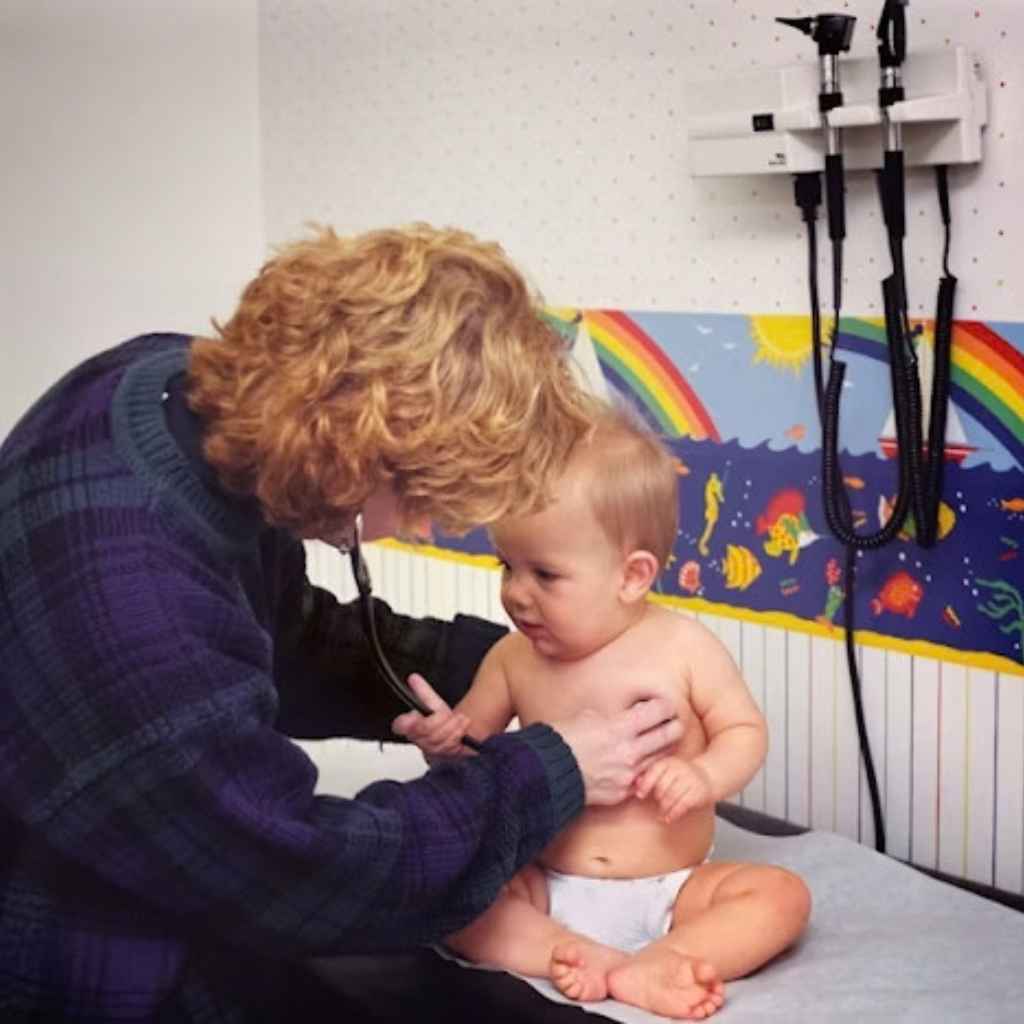
Yes, babies and infants can absolutely be seen at pediatric urgent care, and in many ways they benefit most from it. Newborns and young infants run fevers and catch infections that need faster attention than a scheduled appointment allows, and a pediatric trained team knows how to examine tiny patients without causing extra distress or handling them the way a general clinic might. Congestion, feeding trouble, minor falls, rashes, and unexplained fussiness are all common reasons parents bring babies in outside of regular office hours. Getting to know the doctors who see your child ahead of time tends to ease a lot of first visit anxiety for both parents and infants alike, especially if it's your very first urgent care experience as a new parent
Does Urgent Care See Toddlers and Older Kids Too?
Toddlers and school age children make up a large share of urgent care visits, usually for reasons that feel dramatic at the moment but resolve quickly with the right care. Ear infections, seasonal illnesses, stomach bugs, and minor sports injuries are especially common as kids get more active, more social, and more exposed to whatever is going around at daycare or school. A pediatric urgent care team is equipped to examine wiggly toddlers and nervous older kids alike, using techniques and a calmer pace that keep the visit from feeling scary rather than adding to the stress. For a closer look at one of the most frequent visit reasons, this guide on ear infections in children breaks down symptoms and treatment in plain, practical language.
Is Pediatric Urgent Care Covered by Insurance?
Most major insurance plans do cover pediatric urgent care visits, though the exact coverage and copay amount can vary quite a bit depending on your specific plan and provider network. Some plans treat urgent care differently than a standard pediatrician visit, with a separate copay tier, so it's worth understanding that distinction before you're sitting in the waiting room mid-crisis. Checking coverage ahead of time also helps you avoid a surprise bill landing weeks later, which is the last thing any parent wants to deal with after an already stressful visit. The insurance page lists the plans typically accepted, making it easy to confirm your coverage before your child ever actually needs to be seen.
How to Choose the Best Urgent Care for Your Kid
Picking the right pediatric urgent care before you need one makes a stressful moment far easier to handle later on. Look for a clinic staffed by providers experienced with children specifically, one that keeps wait times reasonable, and one close enough to reach quickly when it actually matters, not just on a good day with light traffic. Kids Klinic was built around exactly that kind of accessible, kid focused care, with a team that treats common childhood illnesses and injuries without the long delays that often come with adult focused urgent care centers. Take a few minutes now to fill out new patient forms and save the appointment page, so when your child does need care, you're not scrambling to figure out where to go while they're uncomfortable and waiting on you.
Frequently Asked Questions
1. When should a child go to urgent care?
A child should go to urgent care for fevers, ear pain, minor injuries, or sudden illness that can't wait for a regular appointment but isn't life threatening.
2. Can you take a baby to urgent care?
Yes. Pediatric urgent care sees babies regularly for things like fever, stuffy noses, or a small fall. The staff know how to work with infants without making the visit harder on them than it needs to be
3. Is pediatric urgent care covered by insurance?
Usually, though, the details change from one plan to the next. A few insurers put urgent care in a different bucket than a standard pediatrician visit, so your copay might not match what you'd expect. Worth a quick call to your provider first.
4. Is pediatric urgent care expensive?
Not compared to an ER visit. Costs still shift based on your insurance and what your child is being treated for, but urgent care is generally the more budget friendly option for non-emergency issues.
5. Pediatric urgent care vs. regular urgent care: what's actually different?
Pediatric urgent care is built around kids specifically, from how medication is dosed to how the staff talk to and examine younger patients. A general urgent care center doesn't always have that same focus.