
Nov
2025
Have you ever thought about what is good and bad cholesterol? Which is essential for maintenance of good health both in kids and adults?
Through this blog, Kids Klinic helps you in learning about the difference between good and bad cholesterol. We will be covering what is HDL cholesterol and what is LDL cholesterol and all the questions that are buzzing in your mind.
What Is HDL Cholesterol?
HDL is a short way for High-Density Lipoprotein Cholesterol, which is frequently referred to as "good cholesterol" the most. The good kind of cholesterol is compared to a cleaning team in your blood vessel; it collects the redundant cholesterol from your blood vessel and then takes it to the liver for getting rid of it. HDL cholesterol molecules are characterized as small and dense, loaded with more protein than fat. Their exceptional configuration equips them to carry out their rescue roles effectively.
One way HDL cholesterol may influence brain health is highlighted by research at UT Southwestern Medical Center, which suggests a pivotal role for it in sustaining healthy brain matter in middle-aged adults.
The expression "good cholesterol" illustrates the protective quality of HDL. In contrast to a harmful one, HDL cholesterol actively contributes to the prevention of fatty deposits forming in the arteries. The mechanism, referred to as cholesterol efflux, exchanges cholesterol on arterial walls with HDL particles that then take it to the liver where the cholesterol is decomposed and the remains are flushed out of the body.
What Is LDL Cholesterol?
LDL is an abbreviation for Low-Density Lipoprotein Cholesterol, which is generally known as "bad cholesterol” due to the fact that it can cause health problems if its level is high.
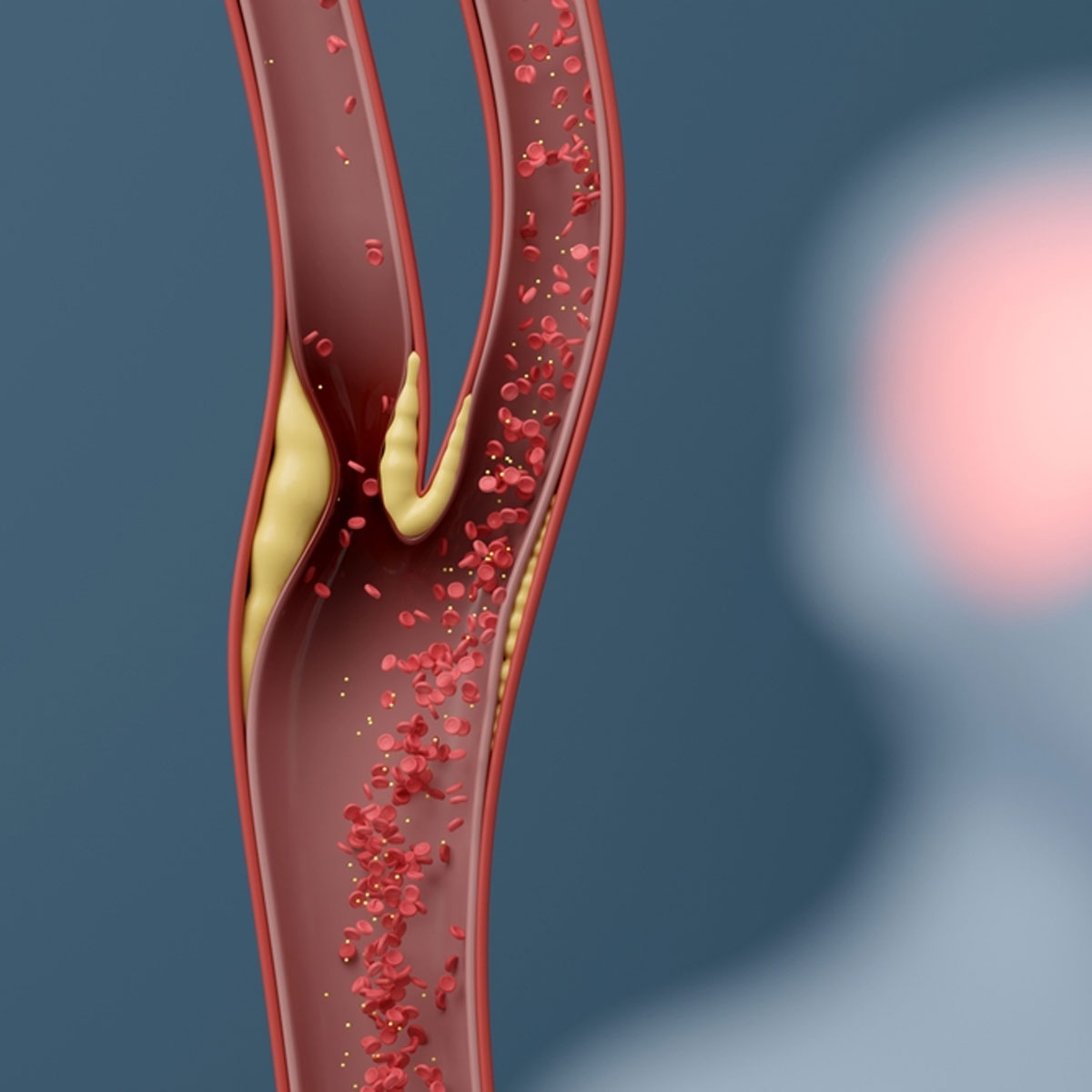
Unlike HDL, LDL cholesterol is the one that transports cholesterol from the liver to different parts of the body. Excessive LDL in the blood leads to the formation of plaque on the walls of arteries as a result of which they narrow.
NIH Study describes the detailed mechanism involved in how LDL Cholesterol is handled in the body. Researchers relied on a sophisticated form of cryo-electron microscopy which revealed the complete structural protein of LDL when it interacted with its receptor, thus starting the process of removing LDL from the blood.
Potential Harm From Excess LDL:
Serious problems develop if LDL cholesterol levels become too high. According to 2025 research from Taiwan, increased LDL cholesterol is one of the most important risk factors for atherosclerotic cardiovascular disease (PMC Research). Every reduction in LDL through treatment was associated with decreased major cardiovascular events and mortality.
Detailed Difference Between HDL and LDL Cholesterol
| Aspect | HDL (Good Cholesterol) | LDL (Bad Cholesterol) |
|---|---|---|
| Full Name | High-Density Lipoprotein | Low-Density Lipoprotein |
| Density | High protein, low fat content | High fat, low protein content |
| Function | Removes cholesterol from arteries | Delivers cholesterol to cells |
| Direction | Carries cholesterol TO the liver | Carries cholesterol from the liver |
| Health Impact | Protective against heart disease | Excess causes plaque buildup |
| Ideal Levels | Higher is better (above 40 mg/dL for men, 50 mg/dL for women) | Lower is better (below 100 mg/dL optimal) |
| Size | Small, dense particles | Larger, lighter particles |
| Effect on Arteries | Cleans and protects arterial walls | Can deposit in arterial walls |
Maintaining Healthy Cholesterol Levels In Kids and Family
The knowledge of good and bad cholesterol would definitely help children throughout their life in maintaining a healthy lifestyle. The American Heart Association advises cholesterol screening in children from 9 to 11 years of age, and if there is a family history of high cholesterol or heart disease, testing should be done earlier.
1. Dietary Approaches
- The diet should primarily consist of heart-healthy fiber-rich foods that contain omega-3 fatty acids and healthy fats.
- Consumption of fish, nuts, avocados, and olive oil is encouraged as they help to increase HDL cholesterol.
- Cut down on the intake of saturated fats, trans fats, and added sugar.
- These kinds of foods are very good at lowering LDL cholesterol as well as improving general health.
2. Physical Activity
- One of the most effective ways to control cholesterol levels is through regular physical exercise
- Weightlifting, high-intensity interval training, and aerobic exercises are all activities that would increase HDL cholesterol
- Do not forget that children should be physically active for 1 hour at least every day
- By doing sports, HDL is more functional and it takes care of the whole body
3. Weight Management
- The main thing about weight is that it should be at a level where cholesterol could be optimized
- The key is a well-balanced diet and staying physically active on a regular basis
- Even a few kilograms of weight reduction can reflect significantly on the cholesterol profile
- The younger generation will be more likely to build up good habits regarding weight around them
Conclusion
Knowing what HDL and LDL stand for, gives families the power to decide wisely about their health. HDL plays the protective role as it takes away the extra cholesterol from the body, while LDL is the carrier that brings cholesterol to the cells, but it creates trouble when the level is too high.
Basically, good and bad cholesterol are not just terms; they are different in how they affect the heart, brain, liver, and general health. Along with regular check-ups, living a healthy life and following the doctor's advice are the ways to keep cholesterol levels optimal both in children and adults.
Frequently Asked Questions
1. When is the right time for kids to start cholesterol checking?
The American Heart Association suggests carrying out cholesterol screening at the time between ages 9-11. If there is history in the family of high cholesterol or cardiovascular disease, then testing should be conducted earlier.
2. Is it possible for cholesterol levels to be very low?
Yes, very low cholesterol may result in health problems such as hormonal imbalances, lack of vitamin D, and also it may increase the risk of certain conditions. There are health-based ranges for cholesterol.
3. How fast can lifestyle changes bring about cholesterol levels changes?
Changes in diet and increase of physical activities can bring about improvements in cholesterol levels within 3-6 months. However, to achieve significant changes, one might need several months of consistent healthy habits.
4. Are cholesterol-lowering drugs safe to be used in kids?
Some children with familial hypercholesterolemia or very high cholesterol that is resistant to lifestyle changes may be given drugs to lower their cholesterol levels as a solution. Always seek a physician or pediatrician's guidance for proper assessment and advice.
5. Is cholesterol from food the main cause of raised blood cholesterol levels?
There is a very less influence of dietary cholesterol on blood cholesterol than was traditionally believed. The biggest contributors to blood cholesterol are saturated and trans fats, not dietary cholesterol.