
jun
2025
Kids are always the priority for every parent, so we are very keen on taking good care of them in summer weather. With the advent of blue skies and rising temperatures, it has become vital to provide some necessary information about summer safety. The first things we cover in our kid's safety tips for summer include sunburn prevention, proper hydration, safe outdoor play, etc.
1. Sun Protection: Shielding Your Child from Harmful Rays
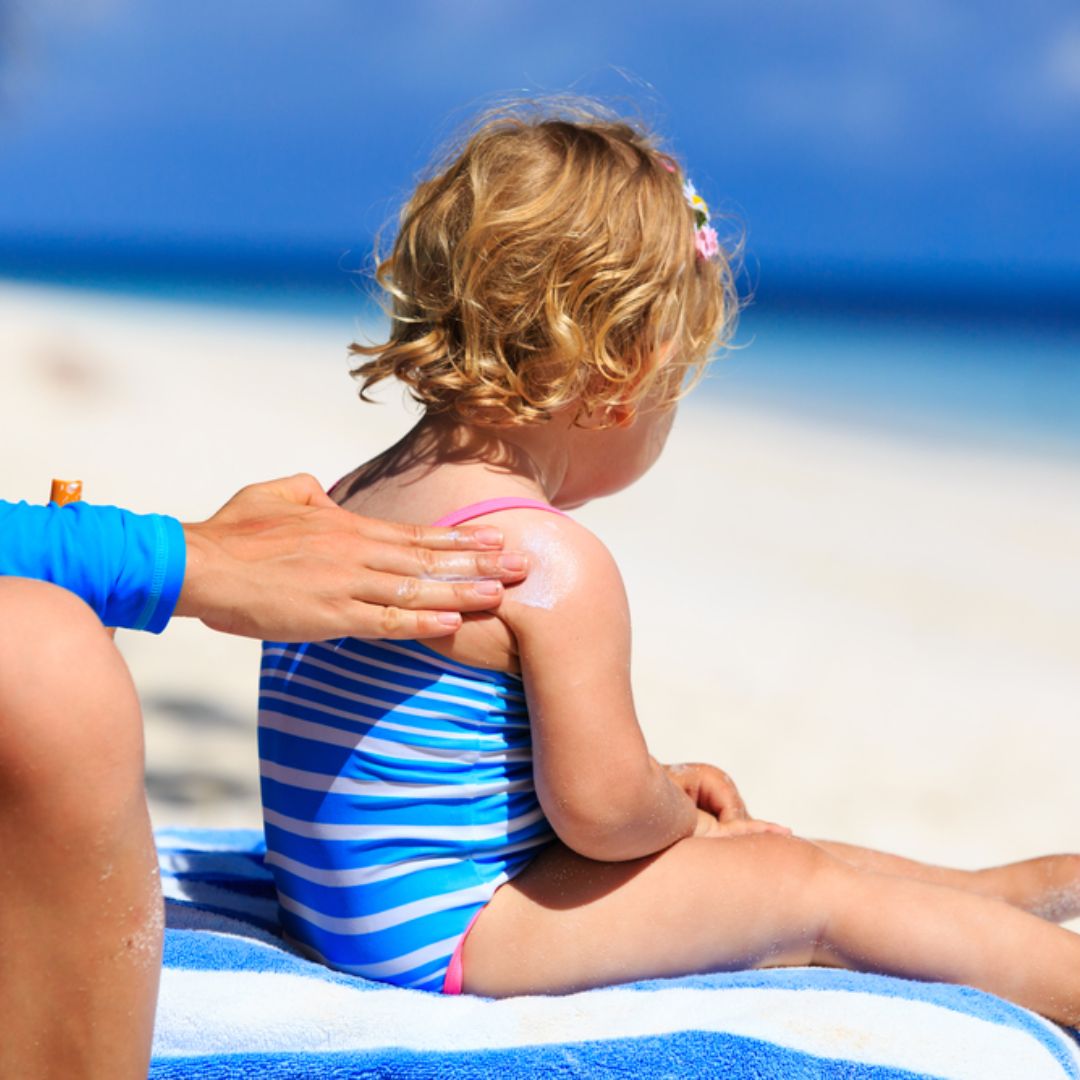
One of the most crucial summer safety tips for kids is shielding them from instant sunburning:
- Apply a broad-spectrum sunscreen that has at least 30 SPF as sunscreens with a broad spectrum of protection provide the best defense to block both UVA and UVB rays.
- Dress children in lightweight, loose-fitting clothes that cover their arms and legs.
- Put a sun hat on and make sure it is on right. Sunglasses are the last touch for protecting the eyes from direct UV rays.
“According to some data from the Skin Cancer Foundation, research shows that even one sunburn in childhood blisters may nearly double a person's lifetime risk of melanoma. This underlines the significance of the proper sun protection from the early days.”
2. Hydration: Keeping Your Child Well-Hydrated
The correct amount of water intake is very important, especially on a hot-weather day. Here is what we should do to keep children well-hydrated:
- Offer water frequently throughout the day.
- Pack water bottles for outdoor activities.
- Encourage the consumption of water-dense F&Vs.
- Avoid sugary drinks and sodas.
“Based on the recommendations by the American Academy of Pediatrics, young athletes should consume water every 20 minutes during physical activity to keep them from being dehydrated.”
3. Safe Outdoor Play: Ensuring a Fun and Secure Environment
Out of the different summer safety tips for kids, we take the top most priority is creating a safe outdoor playground for children. In particular, this consists of:
- Watch over your children in any circumstance, notably waterside areas and put them in swimming and water safety courses, among other things.
- An essential part of this is teaching kids basic water safety tips.
- Guide them on playground equipment that is in good shape and suits the age of the children.
- Using helmets, knee, and elbow pads when enjoying activities like biking, and skateboarding.
One report by the Centers for Disease Control and Prevention revealed that water-related immersion is the single most common cause of death in children from age 1-4. This presents the critical need for adult supervision at all times when children are exposed to water play.
4. Insect Protection: Warding Off Bugs and Bites
Besides teaching summer safety tips for kids, especially about sun protection, we also need to arm them against those pesky insect bites, here are some ways to protect them best.
- Try EPA-approved insect repellents.
- Avoid places where there's standing water as mosquitoes breed around here.
- Children should wear light colored clothes so that ticks can be seen quickly during outdoor activities.
- Make sure you take the time after being outside if there are ticks around or not.
- Always ask your best pediatricianss or physicians before using DEET insect sprays or any other medical things on a (younger) child.
5. Heat Safety: Preventing Heat-Related Illnesses
We can keep your children safe from heat-related illnesses through the following summer safety tips:
- Keep your children from outdoor activities during the hottest period of the day (usually 10 am to 4 pm).
- Parents should ensure children have many breaks in a shady or air-conditioned place.
- Some of the signs of heat exhaustion, for example; dizziness, headache, or nausea, are to be recognized.
- Parents should never leave their children in the car, not even for five minutes.
Experiments conducted and published in the Journal Pediatrics State that the temperature inside the body of children can be three to five times higher than that inside adults, which means they can easily get affected by the heat that is released.
Conclusion:
These kid's safety tips by Kids Klinic for summer are very safe. Children who are spending time in the sun need to apply sunscreen, drink water, wear a hat, apply bug repellents, and learn the basics of heat safety to avoid injuries.
Please note that prevention is the leading cause, and understanding potential risks is the only way to secure our children throughout the summer. Consult physicians or pediatricians near you before consuming medicines or using any meditations!
Frequently Asked Questions:
1. How often should I reapply sunscreen on my child?
A: Sunscreen should be reapplied every two hours or even more frequently if swimming or sweating. Water resistance varies among sunscreens but in general, it's necessary ingredient, a UVB filter, can be washed off or worn away by sweating or swimming.
2. What are the signs of dehydration in children?
Common signs include dry mouth, less frequent urination, dark urine color, easy tiredness, feeling dizzy, and having a headache. Drinking water in some instances is encouraged. Children may appear flush with the skin or pale. The patient needs rest first as well as fluids should be provided.
3. Are there any natural insect repellents safe for children?
Natural methods apart from citronella that can be used are lemon eucalyptus, and soybean oil-based repellents among others. But it is always advisable to get medical advice on this and any other new product before using it.
4. How can I make drinking water more appealing to my child?
Brew water with your child’s favorite fruit, let your child pick the kind of funny-shaped ice cube that he loves or use the bottle with the bright and stylish-looking one while adding some fruits from time to time. Just tell them that every time they drink, they might get a star or a special activity. You'll see that drinking will become part of the fun.
5. What should I do if my child gets a sunburn?
Use cold compresses, and aloe-vera gel, and ensure your kid drinks a good amount of water. Do not wait for too long to meet a healthcare professional. As soon as possible, you need to consult the doctor. You might want to take him/her outside and tell him to take a break and breathe deeply.