
Dec
2025
Iron is one of the most important minerals our bodies need every day. It helps carry oxygen, supports growth, and keeps us energized. Many people do not realize how serious low iron levels can be. Understanding what is iron deficiency, the benefits of iron, and the overall importance of iron in the body can help protect your health and your family’s well-being from long-term health issues and discomfortness in the body.
What Is Iron And Iron Deficiency?
Iron is a mineral that helps your body make hemoglobin, the protein in red blood cells that carries oxygen. When your body does not have enough iron, it cannot make enough healthy red blood cells.
As a result, your body receives less oxygen, making you feel weak or tired.
Iron deficiency happens when your iron levels drop below the amount your body needs. It is one of the most common nutrient shortages in the world. The National Institutes of Health states that iron deficiency is especially common among children, women, and older adults
Iron Deficiency can develop because of poor diet, low absorption, rapid growth, or blood loss. If the deficiency continues, it may lead to iron deficiency anemia and more health issues.
Importance Of Iron In The Body
The importance of iron in the body covers many areas of health. Here are the key reasons why your body needs iron every day.
Importance #1: Iron's Role in Oxygen Transport
Iron helps your body to transport oxygen throughout your body from the lungs. If there is not a sufficient amount of iron within your system, your body cannot produce sufficient quantities of hemoglobin, causing fatigue and difficulty remaining active.
Importance #2: Support for Brain Function
Iron plays an important role in the functioning of your brain too. Studies done by the National Center For Biotechnology Information indicate that when children experience a deficiency in iron, it can result in problems with cognitive and problem-solving functions.
Importance #3: Strengthening Your Immune System
An essential component of a healthy immune system is iron. Without this mineral in your system, there will be fewer healthy cells that can fight infection. Those with low levels of iron will have weakened immune responses, causing increased frequency of illness.
Importance #4: Support for Muscle Activity
Your Muscle requires Iron to receive oxygen. The muscle cells are supplied with oxygen via myoglobin, which is a protein that contains iron and allows for the transport of oxygen to these cells. When the iron levels in your body are low, the muscles will experience fatigue much faster, making it very difficult to participate in physical activity.
Importance #5: Supports Hormones and Enzymes
Many enzymes and hormones depend on iron. These help with digestion, growth, mood, and body temperature regulation.
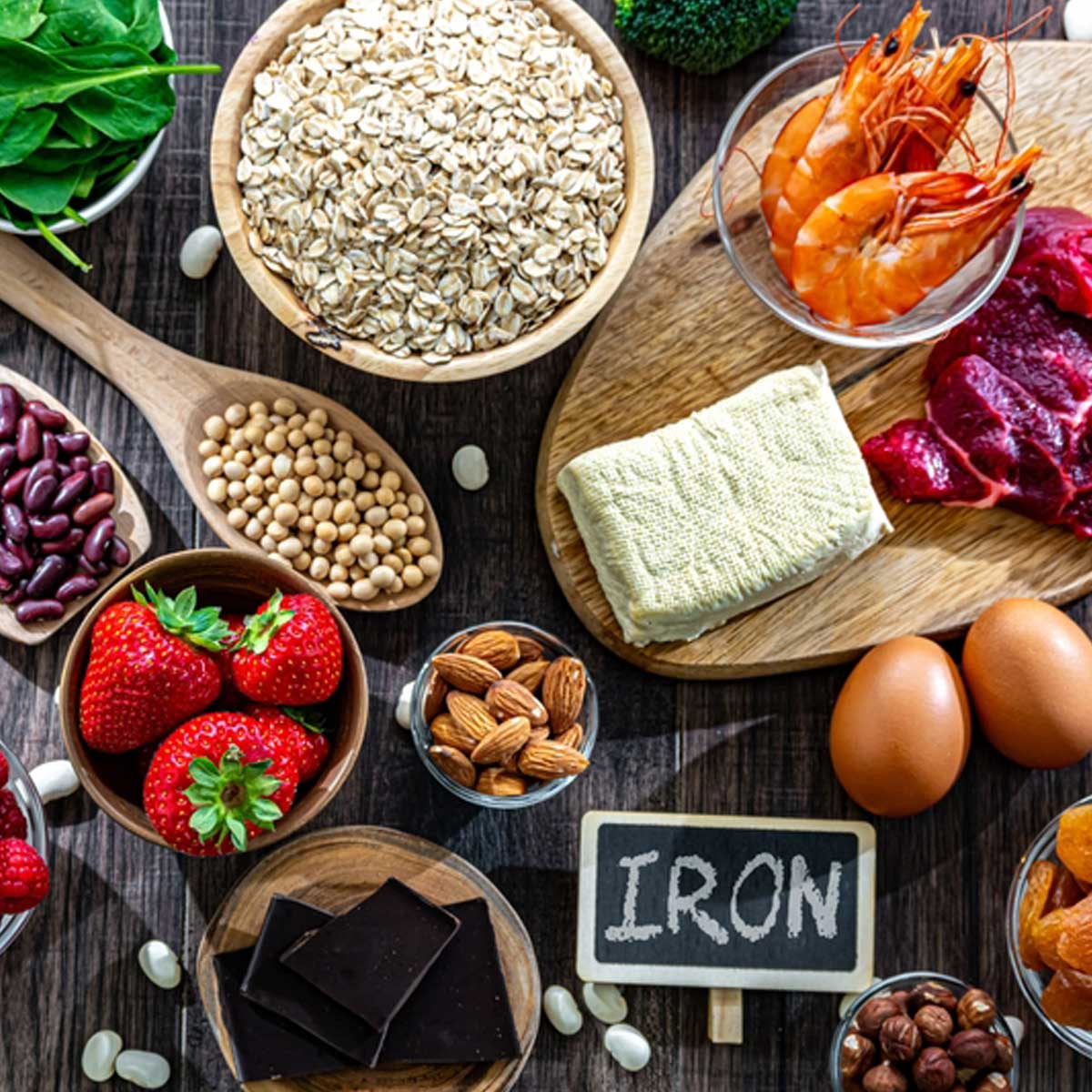
Foods That Contain Iron
Eating the right food is an easy way to prevent low iron levels. A healthy diet that includes iron-rich foods can support your overall health.
1. Plant-Based Sources
A few plant-based sources that consists iron are
- Spinach
- Lentils
- Chickpeas
- Kidney beans
- Pumpkin seeds
- Quinoa
- Broccoli
- Beets
2. Animal-Based Sources
A few animal-based sources that consists iron are
- Lean beef
- Chicken
- Turkey
- Eggs
- Fish such as tuna or salmon
3. Fruits Rich In Iron
A few fruits that consists iron are
- Apples
- Dates
- Raisins
- Pomegranates
- Figs
Vitamin C helps your body absorb iron better. You can pair iron-rich foods with oranges, lemons, strawberries, or tomatoes.
Importance Of Iron For Kids, Adults, And Older People
Importance Of Iron For Kids
Kids grow quickly, so they need more iron to support brain development, learning, and immunity.
Low iron in children may affect their focus and school performance. If considering supplements or fortified products, consult a best pediatrician near you or any physician before giving any medicine or supplement.
Importance Of Iron For Adults
Adults need iron for steady energy levels and daily activities. Women may need more iron because of monthly blood loss. Knowing what is iron deficiency helps adults notice early signs such as fatigue, pale skin, or headaches.
Importance Of Iron For Older Adults
As people age, they may absorb less iron due to changes in appetite or digestion.
Low iron can affect strength, balance, and memory. Older adults should eat iron-rich foods regularly. Before taking supplements or vitamins, consult a best pediatrician or any physician near you for proper guidance.
Common Signs Of Iron Deficiency
Iron deficiency shows up in simple ways. Some signs include:
- Feeling tired often
- Pale or dull-looking skin
- Headaches
- Weakness or dizziness
- Cold hands and feet
- Shortness of breath
- Trouble focusing
- Brittle nails
Should these signs persist, verifying your iron levels through a blood test may be the best way to confirm that you have an iron deficiency.
Note: Consult pediatrician or physician before considering any physical tests or medications.
Conclusion
An iron deficiency can result in many problems for everyone from infants to children to adults to older adults. Being able to identify the early signs of iron deficiency and how to diagnose it will aid you in preventing future problems. Consuming iron-rich food as part of a balanced diet will also help to maintain your overall health and keep you energized.
Frequently Asked Questions
1. Can iron deficiency cause frequent headaches?
Yes. Low iron reduces oxygen flow to the brain, which can lead to tension headaches or light-headedness in both adults and children.
2. How can I improve iron absorption naturally?
Pair iron-rich foods with vitamin C sources like oranges or tomatoes. Avoid drinking tea or coffee immediately after meals because they reduce absorption.
3. Is iron deficiency common in the U.S?
Yes. Many people in the U.S., especially children and women, experience low iron levels due to diet, growth, or lifestyle factors.
4. Are plant-based iron sources enough for vegetarians?
Yes. Vegetarians can get enough iron through legumes, greens, nuts, and seeds. Adding vitamin C foods improves plant-based iron absorption.
5. Can dehydration affect iron levels?
Dehydration does not lower iron directly, but it may worsen symptoms like fatigue and dizziness, making iron deficiency feel more intense.